Marketing
RESERVE YOUR SPOT FOR THE 2025 HISPANIC MARKETING COUNCIL ANNUAL SUMMIT!

Join us on April 7-8, 2025, in New York City for the premier conference crafted by industry leaders with expertise in marketing to the new American mainstream. Given that we sold out last year, we highly recommend securing your spot ASAP!
Lopez Negrete Communications Invites Bilingual and Bicultural Influencers to Join Proprietary Network of Latino Creators

Lopez Negrete Communications unveiled its innovative proprietary tool, the Latino Network of Creators (LNC) with a call to action for all Hispanic content creators across the United States to join. With the rise in content creator marketing, the tool is ideal and highly recommended for any brand aiming to expand their reach and visibility within the Hispanic community through influencer marketing. And, in turn, Latino influencers who join the LNC have a chance to work with the agency's client roster.
A Bad Bunny blueprint for brands: Speak to the universal by elevating the specific

How the Puerto Rican artist’s latest album, Debí Tirar Más Fotos, is a master class in cultural storytelling. As a proud Puerto Rican, I couldn’t help but feel a surge of emotion listening to Bad Bunny’s latest album, Debí Tirar Más Fotos. It’s a deeply personal — sometimes painful — love letter to Puerto Rico and, by extension, to all Latinos navigating the complexities of identity, heritage and contemporary life. by Omar R. Quiñones / MEL
Challenes of Chasing Social Media Trends [REPORT]

"The 2025 Sprout Social Index" underscores why it's crucial for marketers to be leery of social media posts that go viral and ask themselves whether their brand has a legitimate connection to the story.
What the Hell Is Going On in Marketing with Bob Liodice

In the debut episode of On Scope, Bob Liodice, CEO of the ANA, joined host Mike Berberich to discuss the myriad issues facing the marketing industry, including solutions to complex measurement challenges, how to use AI responsibly, and how marketers can more effectively demonstrate the value of their efforts to the rest of the C-suite.
Building the In-House Marketing Team of the Future

Just five years ago, IHAs were a hot trend in the marketing industry. Today, they've become standard practice for corporate marketing and communications functions. According to the 2023 ANA report, 82% of organizations now operate with an IHA, driven largely by the need for creative control and greater agility — especially as the pandemic reshaped business priorities.
HISPANIC STAR champions Latino narrative at Davos to raise awareness of Economic impact of Latinos
Hispanic Star returned to Davos for the sixth consecutive year with a delegation led by Hispanic Star's founder Claudia Romo Edelman, and driven by the mission to share the narrative of the Latino community's integral role in driving economic growth and technological innovation with this critical global audience.
The Comeback Jingle: Why Brands Are Reigniting Advertising’s Catchiest Tradition
Jingles, those snappy, melodic hooks that lodge themselves in your brain that come to the surface when you least expect them. As simple "Ba da ba ba ba" from a friend, and you're responding with a "I'm lovin it." Next thing you know, you're on your way to McDonald's for a Big Mac.
Facts About the U.S. Black Population

The Black population of the United States is growing. In 2023, an estimated 48.3 million people self-identified as Black, making up 14.4% of the country’s population. This marks a 33% increase since 2000, when there were 36.2 million Black people living in the U.S.
Critical Role Played by Hispanic Voters in the 2024 Presidential Election to turn the tide towards Trump, and shape America’s Future
Una nueva era, How Hispanic Voters Turned the Tide in 2024, detailing the quantitative impact Hispanic voters had on the outcome of 2024’s Presidential Election.
The Spanish Language: A Gateway to Our Shared American Heritage and Global Future
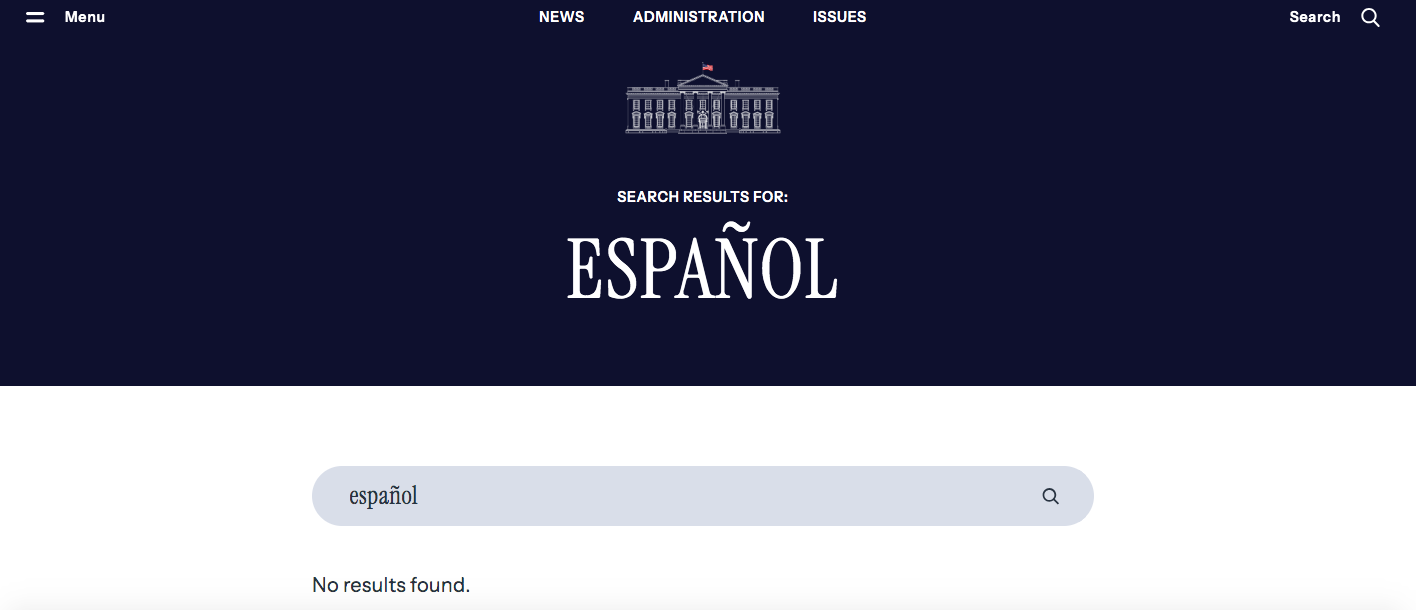
In an era defined by global connectivity, sidelining a language spoken by over 53 million Americans—who collectively contribute $2.8 trillion to the U.S. economy—is more than a misstep; it’s a missed opportunity. Yet, during the second-term Trump administration, the Spanish-language section of the White House website was deactivated, sending a stark message to millions of Americans and international stakeholders. Spanish is not just a language of history—it is a vital engine for cultural, economic, and international growth, and ignoring its significance undermines one of America’s most valuable assets. By Gabriela Alcántara-Díaz
The Hidden Costs Eating Your Ad Budget
Every day, marketers are paying full price for their digital ad campaigns while getting only a fraction of what they paid for. It's like you pull up to a gas station that advertises premium fuel, but instead they fill your tank with watered-down regular gas. You're paying top dollar but driving away with a fraction of the horsepower you paid for.
How Creative Consistency Can Work Magic for Brand-Building – A new study demonstrates the positive effects that steady, consistent advertising efforts can have on marketers’ ROI
Creative consistency is the unsung hero of effective branding, and recent research confirms its profound impact on advertising success. A recent System1 study conducted in the U.K. in collaboration with the Institute of Practitioners in Advertising (IPA) Effectiveness Databank sheds light on the transformative power of maintaining a cohesive creative identity over time. While the study originates in the U.K., its findings resonate globally, including in the U.S., demonstrating that consistent brands significantly outperform their inconsistent counterparts in ad quality and business results.
Bad Bunny’s Latest Album Is Already a Cultural Phenomenon—Brands, Are You Paying Attention?

Let’s be real, 2024 tested us. Politically, culturally, emotionally. And just when we needed it most, Benito Antonio Martínez Ocasio, better known as Bad Bunny, delivered Debí Tirar Más Fotos (I Should’ve Taken More Photos), a 17-track masterpiece that feels like a collective celebration of identity, resilience, and joy. For Latinos, Puerto Ricans, and fans around the globe, this album is more than music; it’s a movement. And for brands? It’s a blueprint to cultural relevance. MARIA TERESA HERNANDEZ - SVP, Brand Partnerships & Head of Diverse Supplier Marketplace at Mirriad
DE&I recalibration from the likes of Amazon, Meta, Publicis sparks questions around faltering commitments

Any flicker of hope that the ad industry would renew its commitment to diversity, equity and inclusion in 2025 may be getting dimmer just days into the New Year. Recently, Amazon, Meta, Publicis Groupe and McDonald’s joined the growing list of companies to revamp (or roll back, depending on who you ask) their DE&I policies.
Reconfiguring Tomorrow: Cultural Trends Shaping 2025
As I've been observing cultural shifts over the past year, it's become increasingly clear that many of the forces shaping our future aren't new at all. What we call cultural trends often linger beneath the surface — latent, quietly shaping behavior until something accelerates their emergence. In the early 2010s, the global recession exposed fissures in trust and belonging, driving the rise of new forms of leadership and connection. Indeed, this was the cultural moment in which my model of brand citizenship emerged — a response to the void left by faltering institutions and a recognition that brands could rebuild trust by delivering both personal and societal value.
Looking for 2025 Power Players: HMC Strategic Excellence Awards Powered by Collage are OPEN
WE ARE LOOKING FOR CAMPAIGNS THAT MOVE THE NEEDLE The 2025 Hispanic Marketing Council Strategic Excellence Awards Powered by Collage Group have opened their call for entries to recognize agencies driving innovation, cultural relevance, and impact… in other words, campaigns that connect with today’s dynamic consumers.
Habit: the established brand’s undervalued advantage

Whether it is the result of preference, routine, or dependency, habit has a powerful influence on purchasing behavior, but one that I suspect many marketers undervalue. By Nigel Hollis
Why brands are falling short with their media strategies [REPORT]

Leading brands are using an ineffective combination of media channels for their campaigns, a major new study has found, with many optimizing for reach instead of for brand metrics that will yield more impact.
Evolve, don’t dissolve DE&I: A Case for Multicultural growth

In recent years, multicultural cohorts have emerged as undeniable powerhouses, reshaping the U.S. political, cultural and economic landscape. For companies operating in today’s polarized sociopolitical climate, the stakes couldn’t be higher. Corporate America finds itself at a crossroads on diversity, equity and inclusion initiatives that influence their ability to authentically engage with diverse consumer cohorts driving the next wave of business growth.