 African Americans are a cultural force in the U.S. The latest chart-topping hits, fashion trends, dance crazes, and product trends all bear the fingerprints of a culture that is rich, innovative and constantly tuned into what’s now, new and next. By Nidia Serrano
Agency
The Impact of Black Influence on Culture and Advertising
NBCUniversal Telemundo Enterprise launches “Mujeres Imparables”
 NBCUniversal Telemundo Enterprises announced the launch of a new company-wide initiative dedicated to celebrating the achievements of women in all aspects of life and championing their advancement at every level of business.
Idea for a show
 By Gonzalo López Martí – Creative director, etc / LMMiami.com
A few weeks back I landed a gig with one of the major Spanish-language broadcasters in the US.
- It happens to be headquartered in Doral, Florida.
- You do the math.
- My responsibilities are circumscribed to advertising, promotions, brand integrations and the like.
- My SOW does NOT include programming.
- But hey, I wouldn’t be a proper advertising man if I didn’t believe I can be a showrunner too.
2019 State of Agency Selling
 This report is full of actionable data that can help inform your own agency’s new business strategy. Gain insight into the typical agency sales process, responsibilities of in-house sales reps, and the tools and methods used to attract and close new business.
How to modernize an established brand to drive growth
 Modernizing a cherished brand without alienating a loyal customer base or losing market share in a hypercompetitive marketplace is challenging. The hurdles include continuing to drive and maintain growth, choosing the right ideas for big results, knowing the customer, and innovating while staying true to the brand’s roots. Kurt Kane, chief concept and marketing officer at Wendy’s, spoke with McKinsey partner Stacey Haas and discussed how the restaurant chain tackled these challenges.
Fresco y Más to provide Grocery Delivery Service
 Southeastern Grocers, Inc. (SEG), parent company of BI-LO, Fresco y Más, Harveys Supermarket and Winn-Dixie stores, reveals its new partnership with Shipt to provide grocery delivery to Fresco y Más customers across South Florida, Tampa and Orlando.
What Creatives Really Want from Planners
 If I asked a group of ad planners what the one thing they most want from their creative partners, it’d be ‘collaboration.’ That’s because, like it or not, there is a deep insecurity lurking that whatever brilliant brief we arrive at will be completely ripped apart — or worse, ignored — by the creative people it is intended to inspire. Maybe it’s the intangibility of strategy — its ambiguity in the creative process — that makes us seek any evidence of our value to others. By Ed Tsue- Anomaly / Group Strategy Director / Managing Director
Are U.S. Asians “crazy” rich? [REPORT]
 Are U.S. Asians “crazy” rich? Our research shows that the average U.S. Asian household makes 36% more than the typical U.S. household – and that their spending power will continue to grow. Don’t miss out on capturing opportunities with this fast-growing consumer market!
Sol Chelada launches in the U.S.
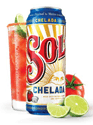 Sol is bringing an iconic Mexican flavor to fans and new drinkers with the introduction of its newest release, Sol Chelada.
NBCUniversal Telemundo Enterprises kicks off second year of Telemundo Academy
NBCUniversal Telemundo Enterprises announced it kicked off the second year of Telemundo Academy, a multimedia academic program for students interested in pursuing careers in the media industry, with a Leadership Lecture by world-renowned television host, global philanthropist and community champion Don Francisco.
CMC Announces 2019 Hall Of Fame Inductees
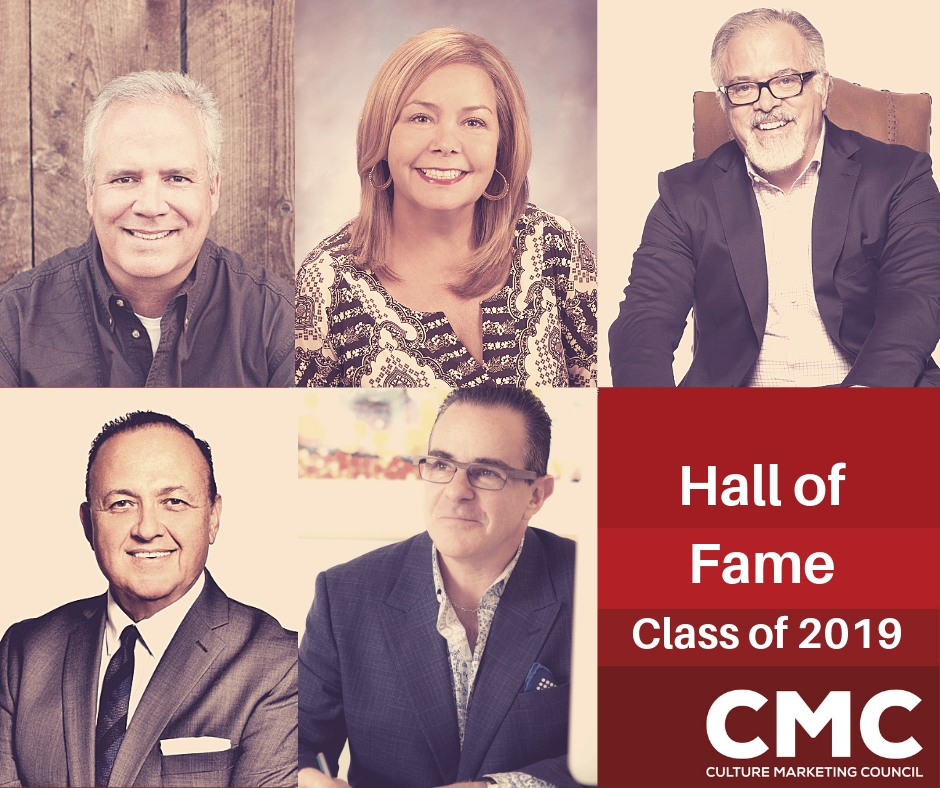 The Culture Marketing Council: The Voice of Hispanic Marketing (CMC) announced the 2019 inductees of the CMC Hall of Fame, which recognizes a select group of visionaries, leaders and luminaries who have made significant contributions to the development and advancement of the Hispanic advertising and marketing field. Sponsored by State Farm, the CMC Hall of Fame welcomes agency pioneers and creative mavens Al Aguilar, Tony Dieste, Alex Lopez Negrete, Luis Miguel Messianu, and Ingrid Otero-Smart. All inductees will be recognized during an awards gala at the 2019 CMC Annual Summit, taking place on Tuesday, June 11, at the Statler Hotel in Dallas, Texas.
For Better or Worse: How North American Consumer Spending is Evolving
 Around the world, consumers are growing increasingly optimistic about their financial wellbeing, particularly in developing markets throughout the Asia Pacific, Africa, Middle East and Latin America. Globally, 58% of global consumers feel they are better off financially than they were five years ago, with nearly a half of consumers in North America (46%) feeling positive about their current situation. However, a sizeable proportion of consumers feel that they are in survival mode, with sentiment differing considerably by region and country.
Hispanic Poverty Rate Hit an All-Time Low in 2017
 The poverty rate declined overall in 2017 but the rate among Hispanics had one of the largest year-to-year drops across demographic groups and was the lowest since poverty estimates for Hispanics were first published in 1972.
Mastercard becomes Official Payments Brand of South American Football
 Mastercard announced it has closed an agreement with the South American Football Confederation, CONMEBOL, to be the Official Payment Services partner and Contactless Payment brand for CONMEBOL Copa América Brasil 2019 and CONMEBOL Libertadores 2019.
CMOs worry that data science reliance might detract from a Human Brand experience [REPORT]
 CMO Council Research Lists Amazon, Starbucks and Apple as Leaders in Guiding the Customer Journey and Using Experience for Competitive Advantage; Issues Call to Action for Brands to Identify Micro-Moments of Opportunity to Further “Human” Relationships
Agency Pros Say Fraud Is Biggest Threat to Their Budgets
 In a poll conducted by ad measurement firm Integral Ad Science (IAS), 69.0% of agency executives say that fraud was the biggest hindrance to ad budget growth, compared with more than half (52.6%) of brand professionals who said the same.
NGL Collective Partners With The Immigrant Archive Project
 NGL Collective, the leading independent Latinx media and entertainment company, announced a multi-platform partnership with the Immigrant Archive Project (IAP), the first-ever video and oral history project with the mission of preserving the accomplishments, struggles, and dreams of America’s diverse immigrant population through compelling visual history testimonies. From industry titans to celebrities and modern day Latinx heroes, the IAP has documented over 2,000 captivating interviews to date.
Is Podcast Advertising The Right Fit For Your Media Plan?
As a medium, digital audio — more specifically, podcasts — continue to experience meteoric growth.
We Are All Frauds: The Way We Advertise Does Not Work (Says Havas) [REPORT]
Havas has issued a piece of research called “Meaningful Brands,” which it has done every two years since 2008. Shockingly, every study has shown that consumers around the world couldn’t care less if the majority of brands disappeared overnight.
Never mind a tipping point for TV, what about brand building?
 Duncan Southgate, our Global Brand Director for Media, drew my attention to Mark Ritson’s reaction to the latest Ebiquity report titled ‘TV At a Tipping Point’ . Ebiquity finds that TV’s superiority in building quick, cost effective reach may be coming to an end. Ritson questions whether their analysis allows for how people’s behaviour changes as they grow older. I am more concerned about what the forecast means for brand building. by Nigel Hollis