Super Bowl LX (2026): A Multicultural Lens on Representation, Relevance, and Retreat
February 10, 2026
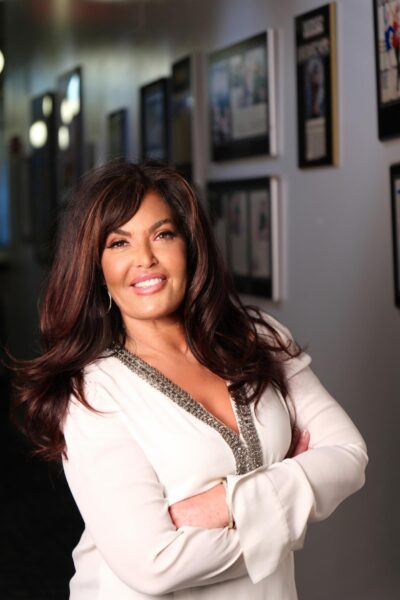 By Liz Castells-Heard, CEO & Chief Strategy Officer, INFUSION by Castells
The Super Bowl as America’s Cultural Barometer: The Super Bowl is the most expensive—and most revealing—mirror of American culture. Beyond a showcase for products or creative ambition, it signals who brands believe America is, who they choose to see, who they quietly leave out, and which audiences truly matter. It remains the single most powerful stage for inclusive storytelling, now rivaled only by the year-long cultural force of the World Cup.
Super Bowl LX (2026) delivered entertainment, AI-fueled spectacle, scale, and star power. Brands offered escapism amid political division, economic anxiety, overload, and skepticism—reverting back to broad, celebrity stacked over-the-top humor and nostalgia-led storytelling that leaned heavily white, male, and past-facing—with AI as the new layer of perceived innovation. Yet the brand winners were not the loudest or flashiest. They were the Americana and culture-led stories inherently suited to the Super Bowl: Rocket Mortgage, Budweiser’s Clydesdales, Lay’s father-daughter handoff, Starbucks’ The Coffee Run, Toyota’s Where Dreams Begin, the NFL’s Champion, McDonald’s McDuke offer, and culturally fluent work from e.l.f. Cosmetics and Byoma leveraging Bad Bunny, the mesmerizing halftime show headliner who turned Latin Love into a hot dance party even with Lady Gaga and Ricky Martin cameos.
And yet, when viewed through a multicultural lens (my job), the year tells a familiar and troubling story. At a moment when the U.S. is more multicultural, global, and culturally driven than ever, many brands pulled back. Most ads were culturally cautious, culturally diluted, and culturally uneven. Multicultural audiences—especially Hispanics—were once again treated as optional, not essential. Brands are “playing it safe” amid cultural whiplash, DEI pullbacks, tight budgets, and uncertainty—but this is a flawed, growth-crippling strategy.
Celebrity, Slapstick, Nostalgia, and AI: The Default Safe Play. Celebrity wattage became the shortcut to guaranteed attention. Beloved stars and pairings included Bradley Cooper and Matthew McConaughey (Uber Eats), George Clooney (Grubhub), Peyton Manning and Post Malone (Bud Light), and elite athletes in Oakley and Meta.
Nostalgia followed close behind: Comcast Xfinity’s Jurassic Park, T-Mobile’s Backstreet Boys revival, Genspark with Matthew Broderick, State Farm set to Bon Jovi’s Livin’ on a Prayer, and Dunkin’ reuniting Ben Affleck with Friendsand Seinfeld peers. Bosch turned Guy Fieri into an everyman alter ego, YouTube TV built its universe around the Kelce brothers, while Gen Z-targeted moments featured Pringles’ Sabrina Carpenter “Pringeleo” and Poppi’s Charli XCX and Rachel Sennott. But increasingly, celebrity replaced insight, humor replaced nuance, and familiar faces replaced real stories.
AI, the dominant creative force was used as product, narrative device, tool, and proof of innovation. Amazon Alexa+ leaned on Chris Hemsworth’s exaggerated paranoia; Google Gemini offered a more emotional take through a mother-son home-building story; Anthropic created an industry moment by sparking public critique from OpenAI leadership. These ads were smart, polished, and entertaining—but rarely contextualized through multicultural lived experience.
Some brands crossed into flippant, absurd, or too-cool ‘mainstream’ humor—the kind multicultural audiences consistently do not respond to. Andy Samberg’s Hellmann’s serenade, Kinder Bueno, Squarespace’s Emma Stone narcissism, and TurboTax’s Brody moments felt hollow. Most troubling was Instacart’s physical comedy with a mustached Ben Stiller using faux Hispanic accents, a misrepresentation that sparked backlash and underscored how easily humor slips into harm when cultural fluency is absent.
Americana, Unity, and Proof That Inclusion Works
The strongest work leaned into Americana unity—and did it beautifully. Budweiser’s Free Bird Clydesdale spot reaffirmed it owns anthemic storytelling. The NFL’s Champion supported a young Black boy’s dreams, reminding us that “belief is a superpower,” alongside its inclusive You Are Special series. Toyota’s Superhero Belt reflected Asian-American multi-generational close family dynamics, while Where Dreams Begin featured LA Rams’ Puka Nacua.
Dove’s The Game Is Ours continued its commitment to girls in sports and diverse bodies. Lay’s father passing down the family potato farm to his daughter and Starbucks’ cinematic The Coffee Run captured warmth, kindness, joy and shared moments that resonate on Super Bowl Sunday and beyond.
Other spots included Spectrum’s vignettes celebrating the hard-working American spirit, Ring’s Lost Dog, and ADHD awareness centered on two children and startling stats. Americana universal and culture-led stories work when they reflect real families, real bonds, and real life.
Hispanic: The Loudest Absence: Despite being the largest and fastest-growing segment—and a primary driver of growth—Hispanic audiences were viscerally sidelined, outside of notable exceptions: e.l.f. Cosmetics’ telenovela parody, Rocket Mortgage’s America Needs Neighbors Like You centered on Latino community values (with a post-game Redfin scavenger hunt), and a few stars like Sofía Vergara (Boehringer Ingelheim) and Danny Trejo (Novo Nordisk). e.l.f.’s telenovela parody with Melissa McCarthy stood out for its cultural fluency—blending humor, cultural memory, and iconic casting (Itatí Cantoral) while tapping Bad Bunny’s playful “four months to learn Spanish” challenge. It felt native to culture and native to the Super Bowl. Seamless to FIFA’s Sofia Vergara also helping Owen Wilson learn Spanish. Byoma’s diverse creator-led debut riffing on Bad Bunny’s halftime height requirement—“calling all short kings and queens”—was another culturally agile move aligned with its product promise.
Data confirms the disparity: over 70% of the 70+ celebrities were white men. Hispanic visibility was the lowest, with just five Hispanic celebrities—fewer than Asian-American (6) or Black (12). Behind the camera, the picture worsened: only six of 40+ directors were people of color.
This absence was especially glaring given headliner Bad Bunny—an unapologetically authentic, global force with universal appeal. His presence transformed the show into a declaration of cultural ownership rooted in heritage, language, and authenticity—not symbolic diversity—and elevated NFL’s cultural cred. Fans dubbed it “The Benito Bowl.” Yet many advertisers behaved as if the halftime show had already “handled” Hispanic relevance. It hadn’t. They are brands still marketing to a version of America that no longer exists.
Why This Matters: At a time when multicultural communities face political, social, and economic vulnerability, brand silence or retreat is not neutral. Consumers notice who shows up. They notice who disappears. And remember who only engages when it’s convenient. From a business standpoint, the math is clear: multiculturals are the majority under 45, drive all growth, shape culture, and determine long-term relevance. Excluding them is not safe—it’s shortsighted.
Final Takeaway: The risk isn’t culture or inclusion. The real risk is ignoring culture—and becoming irrelevant. Super Bowl LX (2026) was not a failure of creativity. It was a failure of courage. Brands that played it safe avoided controversy—but also avoided connection, growth, and cultural credibility. History reminds us: culture doesn’t wait for comfort. On the biggest stage in advertising, the greatest risk isn’t saying the wrong thing. It’s saying nothing meaningful at all.