When Cultural Icons Are Questioned, Brands Should Navigate Cesar Chávez Day with Courage and Care
March 25, 2026
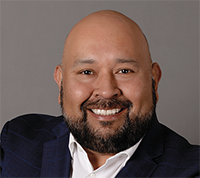
By Stephen Chávez, CEO, ChavezPR
When deeply troubling allegations surfaced about Cesar Chávez, a historic figure long viewed as a symbol of hope and social progress, many people, including myself, felt shock and disbelief. Now, as Cesar Chávez Day on March 31 approaches, brands and organizations are grappling with how to respond and what role they should play in recognizing this day.
For me, my admiration of Chávez (no relation) began at an early age. In the 1970s, I remember my mom and dad hosting sign-making parties and planning meetings in our home with members of the local teachers’ union. They hand-painted protest signs and organized a boycott and march in a local parade to show support for the United Farm Workers. Watching this activity left a lasting impression on me. I learned to respect the movement’s commitment to nonviolence and social justice. I finally saw a leader that identified with. Those experiences shaped my later activism and influenced my purpose and focus as an adult working in communications.
Today, I feel deep empathy for those who may have carried painful experiences in silence. I stand with Dolores Huerta and with all individuals who have felt unable to share their stories for fear of judgment or disbelief. I wish they knew it wasn’t their fault.
When a revered figure becomes the subject of controversy, the instinct for many organizations is to protect the movement associated with that individual. But today, the public expects acknowledgment of harm, support for those affected, and clarity on how values will guide next steps. Silence or defensiveness can create the perception that reputation matters more than people.
This is especially true in communities where cultural pride and historical struggle are intertwined. For brands engaging diverse audiences, this moment highlights an important shift. This year’s Cesar Chávez Day should not be erased; our focus should shift from hero worship to honoring the movement.
It’s possible to honor the historical impact of a movement while also confronting difficult truths about individuals. Both can exist at the same time, and communities and organizations looking to engage with Hispanic audiences must be able to manage that complexity.
In time, communities may decide to rename the holiday or remove his name from schools and streets. But for this César Chávez Day, let the focus remain on the sacrifice, pride, and progress of the farmworker movement. Brands should recognize the deep emotional connection many people have to this history while also demonstrating a commitment to transparency, accountability, and the future of worker justice. This moment gives brands an opportunity to move beyond symbolic celebration and use César Chávez Day as a platform for meaningful action and real impact.