Diverse Marketing, Inclusive Message
 Against the backdrop of a global pandemic, economic turmoil, and calls to address racial inequality, brands need to take a meaningful stand.


Against the backdrop of a global pandemic, economic turmoil, and calls to address racial inequality, brands need to take a meaningful stand.
 Teaching white privilege and unconscious bias are now grounds for termination, according to an executive order signed by President Trump. (Note: we originally used the ANA logo by mistake)
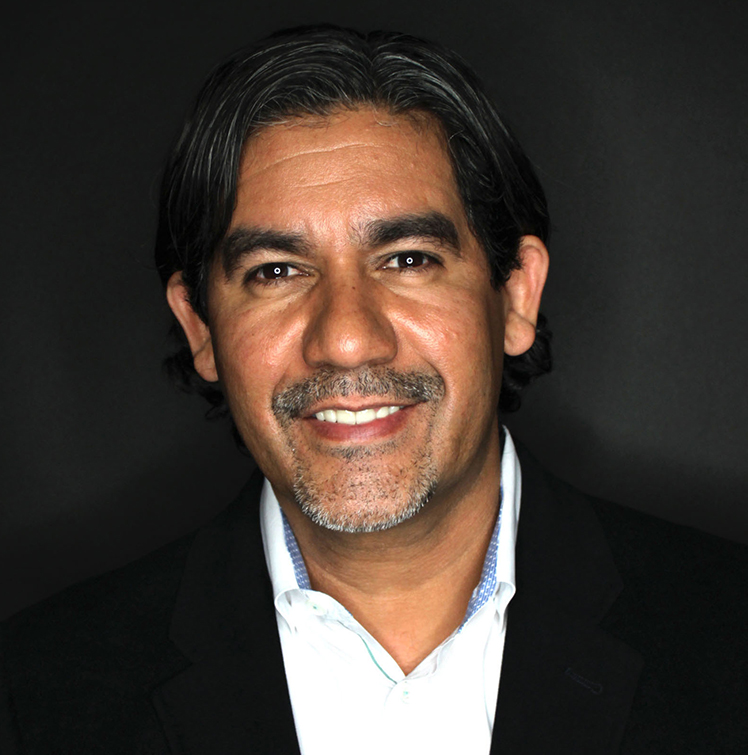 At a moment when brands are reflecting on their relationships with multicultural consumers, it’s a great time to talk about something that’s been happening in multicultural marketing for the last decade or so: it’s time to quit defunding your multicultural marketing. What we’ve seen in the Hispanic market, specifically, is that brands have moved to reduce spending under the guise of the Total Market Approach. Granted, we’re all being asked to do more with less. And budget cuts are a part of our reality. But I’m here to show you how to grow your market share and spend your ad dollars more effectively by committing to the Hispanic market. By Pete Lerma, CEO & Co-Founder LERMA
 Gonzalo Del Fa, president of Group M Multicultural and chairman of the Culture Marketing Council (CMC), delivered the opening address at the 18th annual Hispanic Television Summit on Tuesday (Sept. 22), declaring that “total market is totally dead.” By Joe Schramm, Schramm Marketing Group
 The terms Hispanics in the United States use to describe themselves can provide a direct look at how they view their identity and how the strength of immigrant ties influences the ways they see themselves.
 I often get asked whether brands should use Español or English to reach U.S. Hispanic consumers. The answer is both or a mix, but it’s more complex than just language. Latinos are one of the most diverse minority groups in this country — the market includes some 20 national identities. While we enjoy similar values and traditions, understanding cultural nuances affords brands an authentic connection to us, regardless of language. By Jorge A. Plasencia
 2020 is the year when the majority of all Americans under seventeen years old will be from a minority background, a process that will culminate with a so-called “minority-majority” population by the mid-2040s. These demographic changes will bring about a significant transformation to Corporate America, and during the next few months, I will discuss some of these consequences, in each article targeting one specific area of our business environment. By Isaac Mizrahi – Co-President of ALMA
Once upon a time, TV was linear, with a handful of channels, and the standard unit of measurement was the gross rating point (GRP), which dictated advertising costs and set CPMs. The GRP, the only measurement available, reported on age and gender demographic impressions culled from panels. Brands advertising on television relied on it to place their broadcasting spend accordingly.
 Covid-19 has changed the developed markets of Europe and the US more quickly and more dramatically than what would have been imaginable during the early weeks of 2020. It has changed how and where people spend their time, what they think and feel, and it has spurred massive shifts in what people buy and how they buy it.
 Every night, as 5 full time virtual students/workers get ready to take their car out for a spin, I think the auto industry is really missing the growth of the Hispanic consumer. I did say 5 adults… 4 cars… one house… and during COVID our cars are our escape strategy. By Ana Ceppi
 A McKinsey Global Institute report finds that $12 trillion could be added to global GDP by 2025 by advancing women’s equality. The public, private, and social sectors will need to act to close gender gaps in work and society.
 Over the past several months, you’ve heard us say over and over: online hate turns into harm in real life. From advocating for the ban of white supremacists on social media platforms, to leading an advertising boycott against Facebook for profiteering off of hate, NHMC is as committed as ever to eliminating hate online. This year we’ve also ramped up our policy work to stop misinformation campaigns and to protect Latinx Digital Rights and the sanctity of our democracy.
 ctor, director, producer, writer and Latinx activist, John Leguizamo joins Jack and Mike this week to discuss his directorial feature debut, ‘Critical Thinking.’ Based on the true story of a group of Brown and Black Miami chess-students, who with the guidance of their teacher (Leguizamo), forged together a friendship that would propel them from the bottom of the rankings to the National Chess Championship.
 Tuesday’s keynote interview guest at the 18th annual Hispanic Television Summit was Marla Skiko, the U.S. and global head of media for the Ford Motor Company. She was interviewed by Court Stroud, a media specialist who is a co-host of a podcast and a contributing writer on the topic. Hispanic television media and advertising was the focus of Tuesday’s virtual sessions, at this summit presented by Broadcasting & Cable and Multichannel News. By Joe Schramm, Schramm Marketing Group
 New CMO Council Research, in Partnership with Teradata, Finds a Shocking 97% of Marketers Deem their Organizations Ineffective at Turning Customer Data into Insights and Actions
 Estrella Media announced that it has partnered with music giant Sony Music Latin for the production of a special edition of its hit talent search show Tengo Talento, Mucho Talento. The new season of Tengo Talento, Mucho Talento Edición Especial.
Broadcasting & Cable / Multichannel News presented the 2020 Hispanic Television & Video Awards.
 INFUSION has been in a whirlwind since Covid hit, except instead of struggling with clients, they are struggling to keep up with increased Client work demands and new business pitches accelerated by ‘Black and Brown lives matter’ and the 2020 Census which underscore the Multicultural marketing business imperative.
 The Hispanic Public Relations Association (HPRA) announces the launch of its newest chapter, HPRA Texas.
Debates over who is Hispanic and who is not have fueled conversations about identity among Americans who trace their heritage to Latin America or Spain. The question surfaced during U.S. presidential debates and the confirmation of Sonia Sotomayor to the U.S. Supreme Court. More recently, it bubbled up after a singer from Spain won the “Best Latin” award at the 2019 Video Music Awards.