Dear Ad Techs: You Don’t Speak The Language Of Marketers
 In 2017, I made a big shift. I moved out of the ad and marketing tech space and became a more traditional mainstream tech marketer. In doing so, I realized the adtech and martech industries are in a bit of a pickle — a fact that only becomes crystal-clear when you remove yourself from the day-to-day of it all. by Cory Treffiletti , Featured Contributor
 At a client dinner last week in Amsterdam we turned from talking digital transformation and customer experience to a more future-oriented topic: What’s going to happen in the next 20 years? It was a great group, including some of the most visionary companies in the Benelux. By George F. Colony – Chairman of the Board, Chief Executive Officer
 In this five-part series, eMarketer co-founder Geoff Ramsey sits down with top marketers around the world to discuss the the most daunting challenges they face, and how they are addressing those challenges.
 Who is going to win the race to digitally transform the world’s informal economy?
 When I got into the business of multicultural marketing, at the turn of the millennium, the need to target multicultural segments seemed like a no-brainer. In the 2000 census, Hispanics surpassed blacks as the nation’s largest minority group. As we observed what came to be called “the browning of America,” our job as multicultural marketers was to evangelize, and to convince those laggards in corporate America of the imperative to reach out to different ethnic groups. By David Morse / New America Dimensions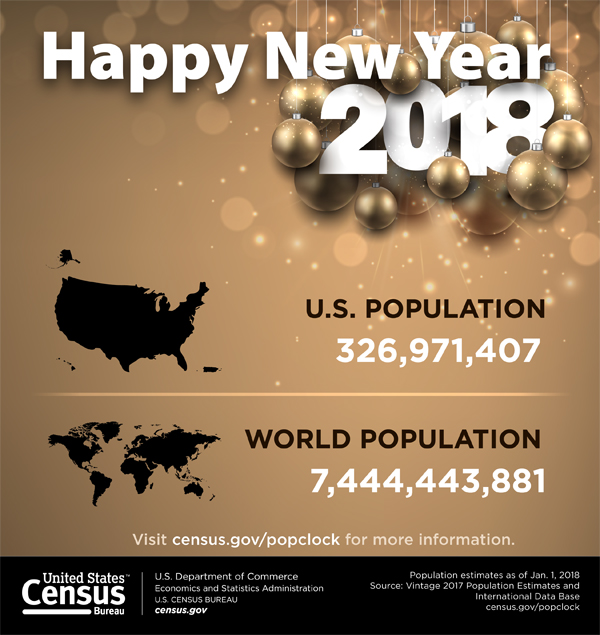
 Available for download.
 HispanicAd in association with Adam R Jacobson are proud to announce the availability of the 2017 Hispanic TV Upfront Report.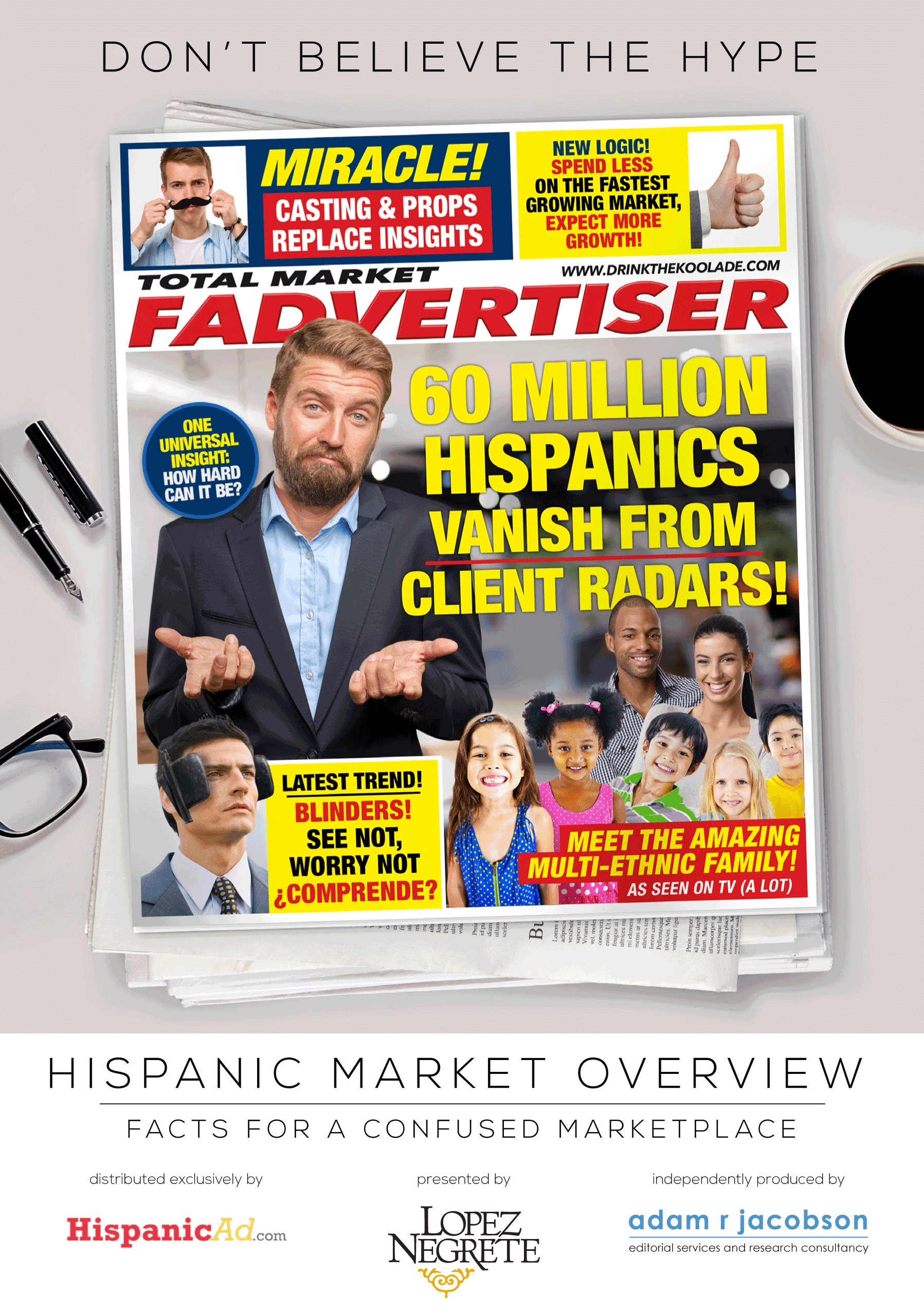
 HispanicAd.com in association with Adam R Jacobson are proud to announce the availability of the 2017 Total Market: Unplugged
 HispanicAd is proud to announce our 4th edition of Hispanic CMO, the most sought after publication in the US Hispanic Market, is available for viewing and download for FREE. Curated by Gilbert Dávila / Dávila Multicultural Insight and by veteran journalist Adam Jacobson. To download this year’s edition
 Podcast listeners are driven by an interest in learning new information.
 This webinar reviewed the relevant laws and definitions governing workplace discrimination and harassment, clarified the obligations of management and supervisors, reviewed case studies, and discussed how these laws and obligations intersect in the context of a creative work environment.
 Burson-Marsteller and TSE Consulting, have published their second annual “Olympic Sports Social Media Ranking,” which analyses the social media footprint of the International Olympic Committee (IOC) and its 40 International Sports Federations.
 iHeartMedia announced that Pedro Javier González has been named Senior Vice President of Programming for iHeartLatino. González will report to Enrique Santos, Chairman and Chief Creative Officer of iHeartLatino and Brad Hardin, Executive Vice President and General Manager for iHeartMedia’s National Programming Group. He will be based out of Miami.
 For the first time in U.S. history, 90 percent of the population age 25 and older have completed high school. This is according to new Educational Attainment data released today from the U.S. Census Bureau.
 A big part of driving marketing-led growth is getting into, and remaining part of, consumers’ initial consideration set of brands to shop. Companies can give themselves a leg up by making that a priority.
 A new ANA survey revealed that more than a third of respondents (35 percent) have expanded their in-house programmatic media buying capabilities, and have subsequently reduced the role of external agencies that previously performed the same function.